
Fantasy series branding project
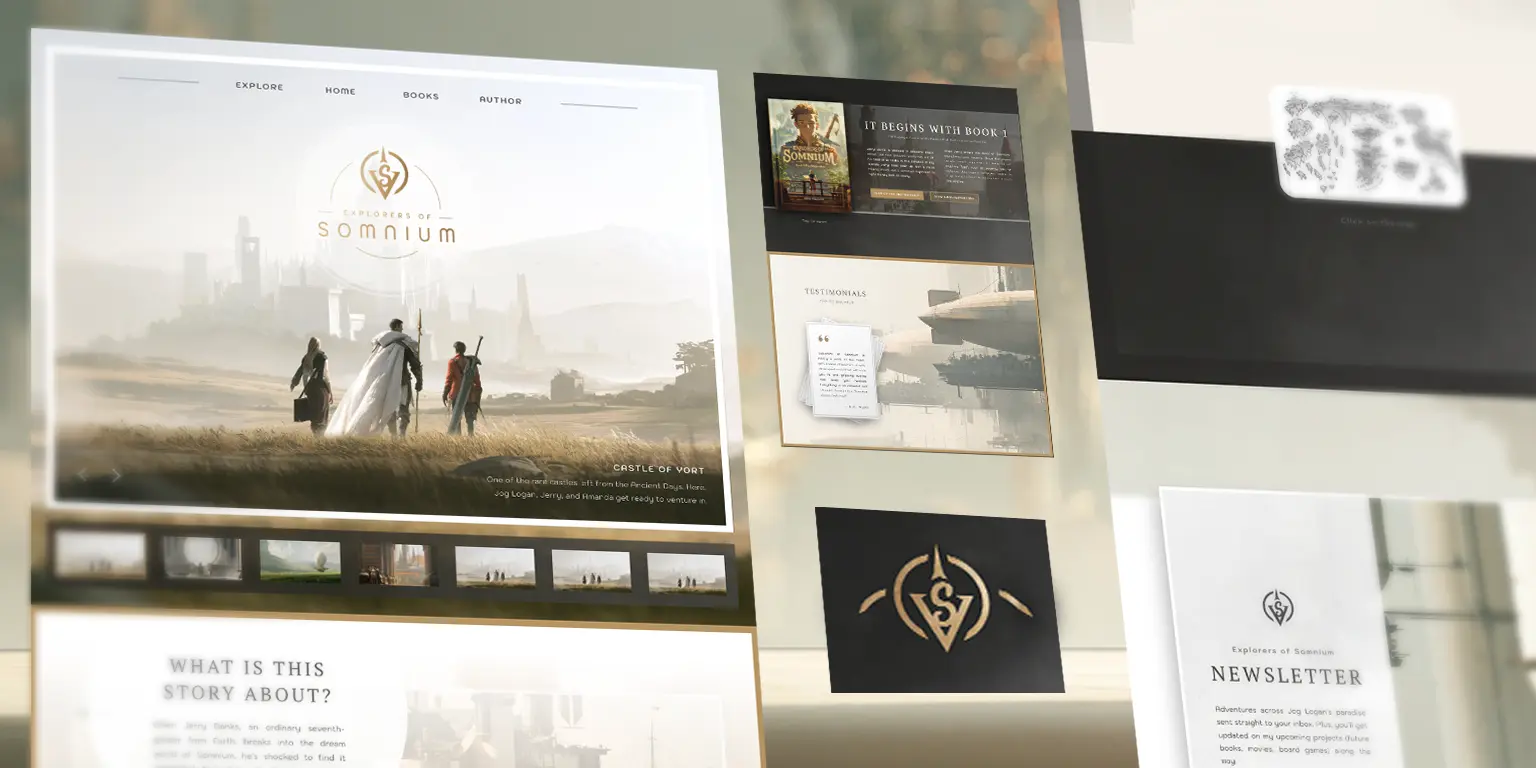
This project was about exploring the boundaries of my fantasy sci-fi series brand, Explorers of Somnium. My previous branding, marketing, and website just didn't represent the brand well enough, so I set out to carve out an identity with assets that would really communicate the exploration and depth that the world has to offer.

Fantasy series branding project
This project was about exploring the boundaries of my fantasy sci-fi series brand, Explorers of Somnium. My previous branding, marketing, and website just didn't represent the brand well enough, so I set out to carve out an identity with assets that would really communicate the exploration and depth that the world has to offer.
PART 1: BRANDING
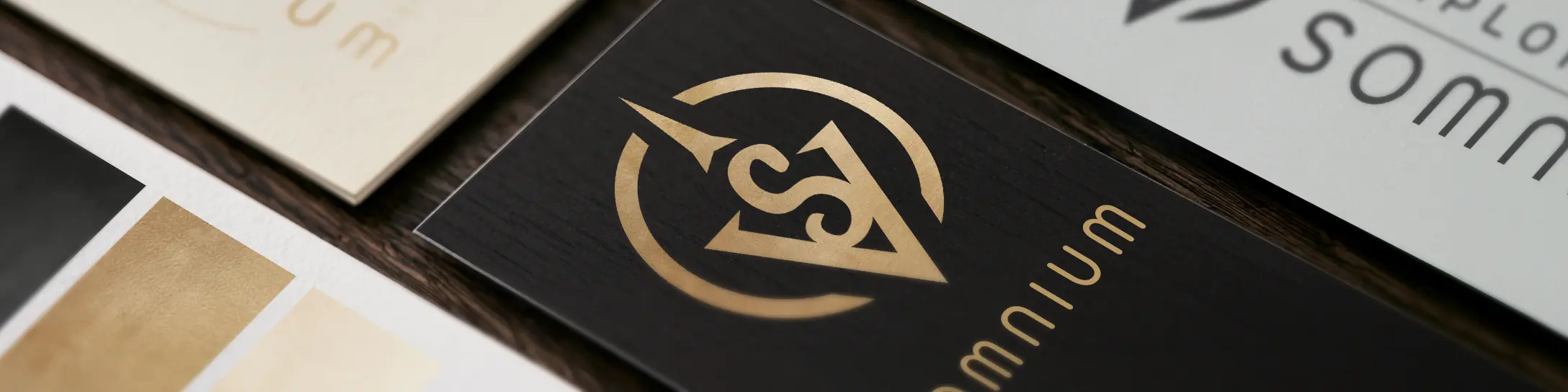
I expect Explorers of Somnium to be the flagship of all the good works I've done. Someday in the future I want to position myself as an author who had to learn all the design and marketing myself, and how I can give the same thing to other creatives. But in order to get there, I need to have my own series to look good, so that's part of what the project was about.
The first thing I did was endless sketching and moodboarding with Midjourney. That's the first step of a lot of my projects, but this time, I really went hardcore. I probably had more than fifty logo sketches and brand images before I started, because I needed to make sure I nailed the right vibe before I began producing. In Somnium, aesthetics are everything.
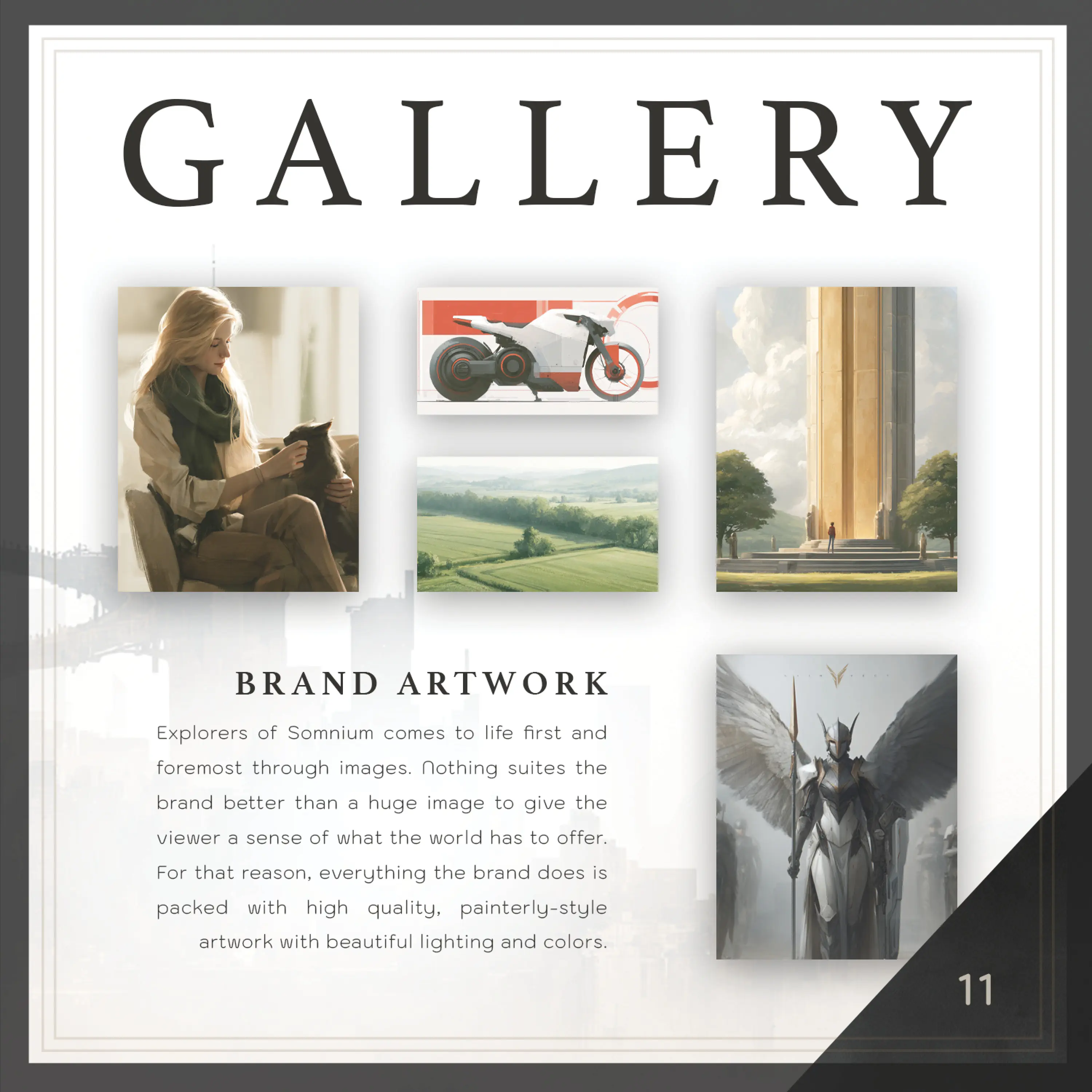
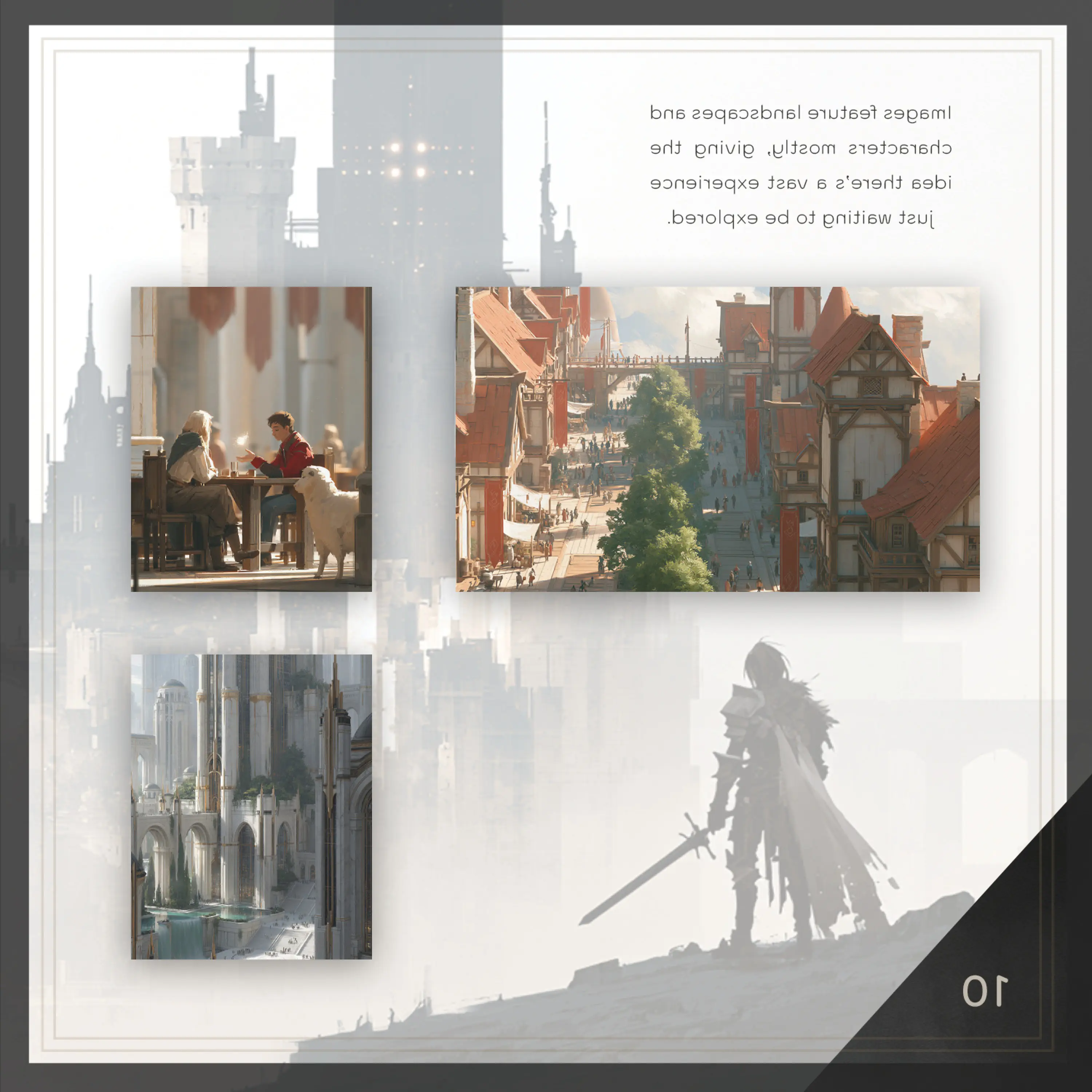
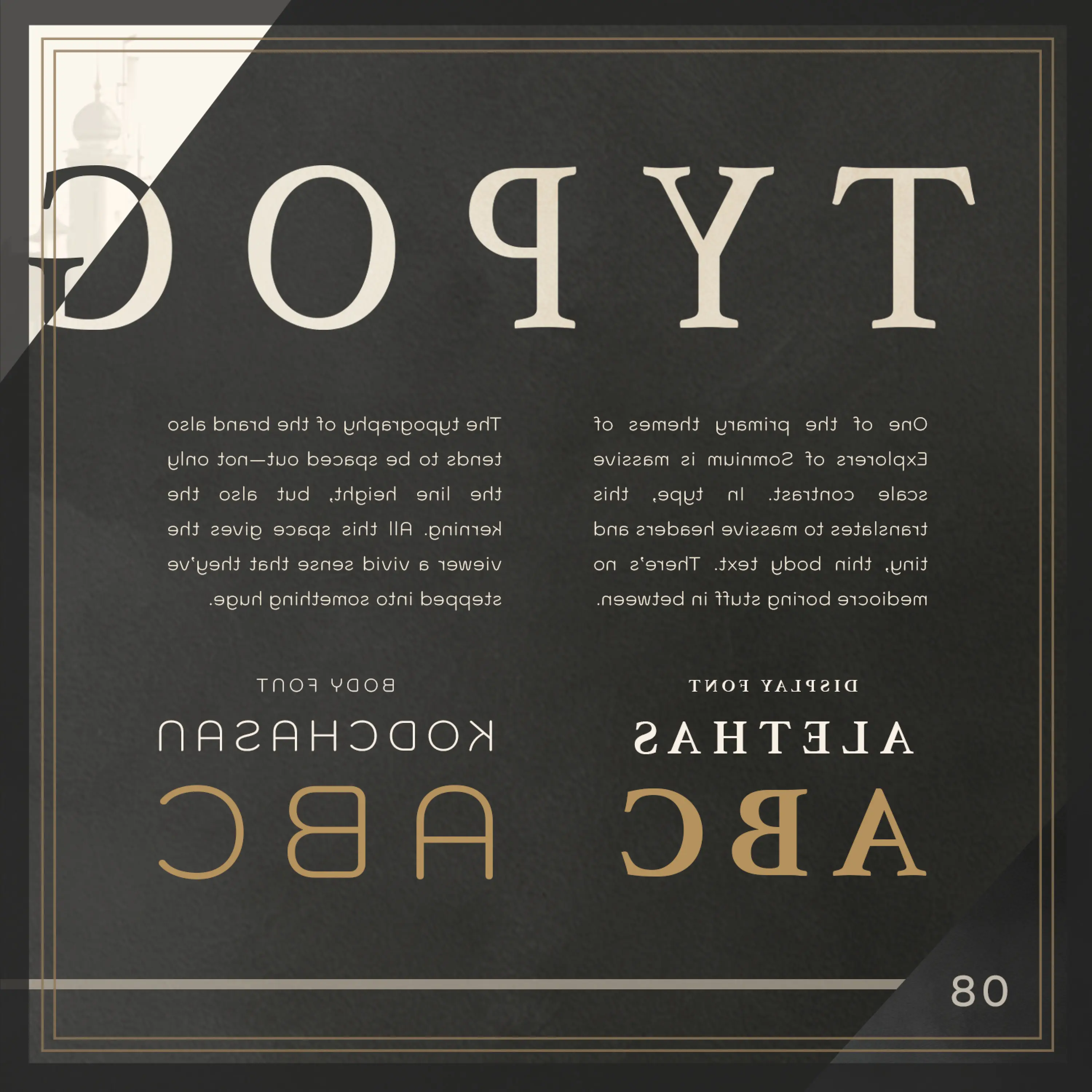
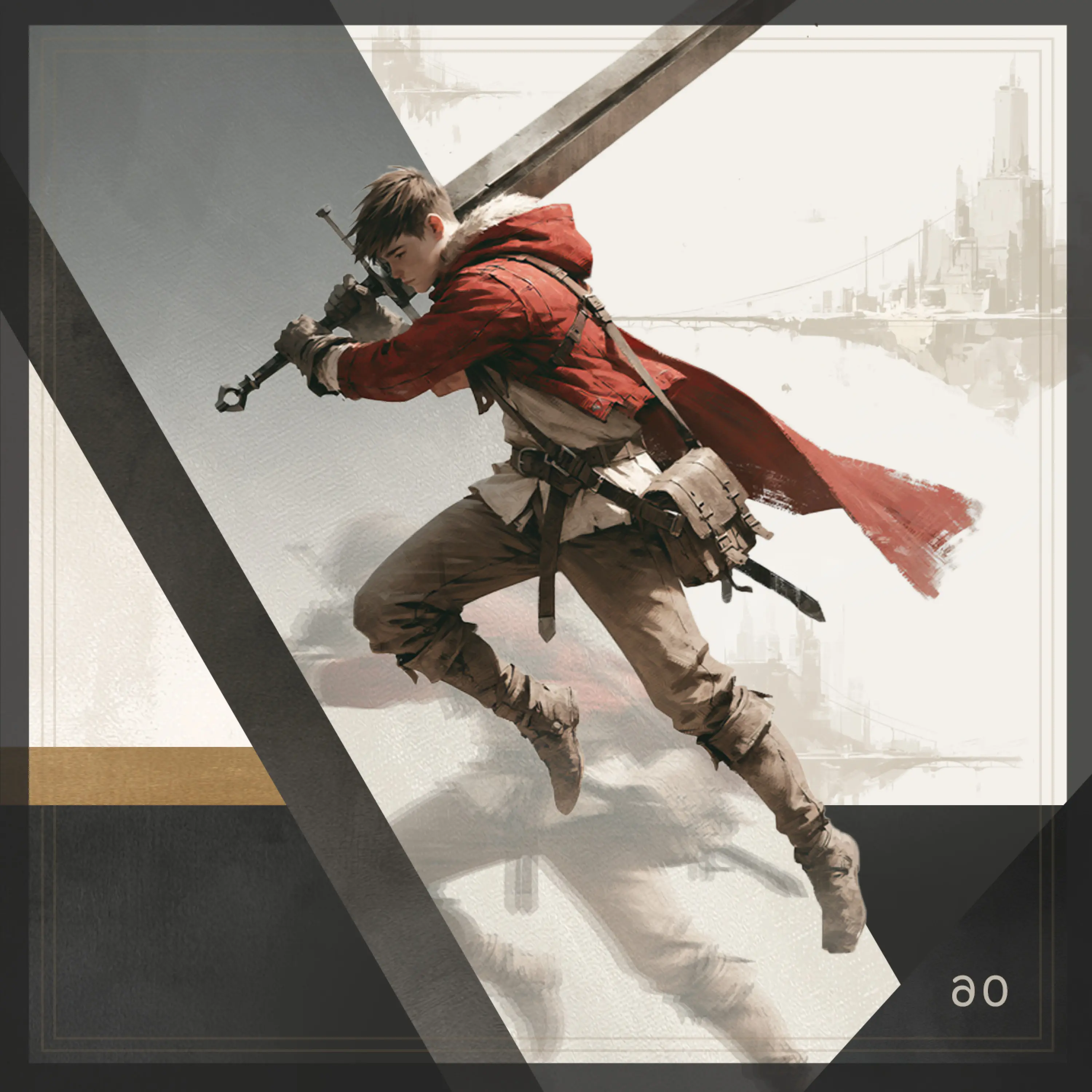
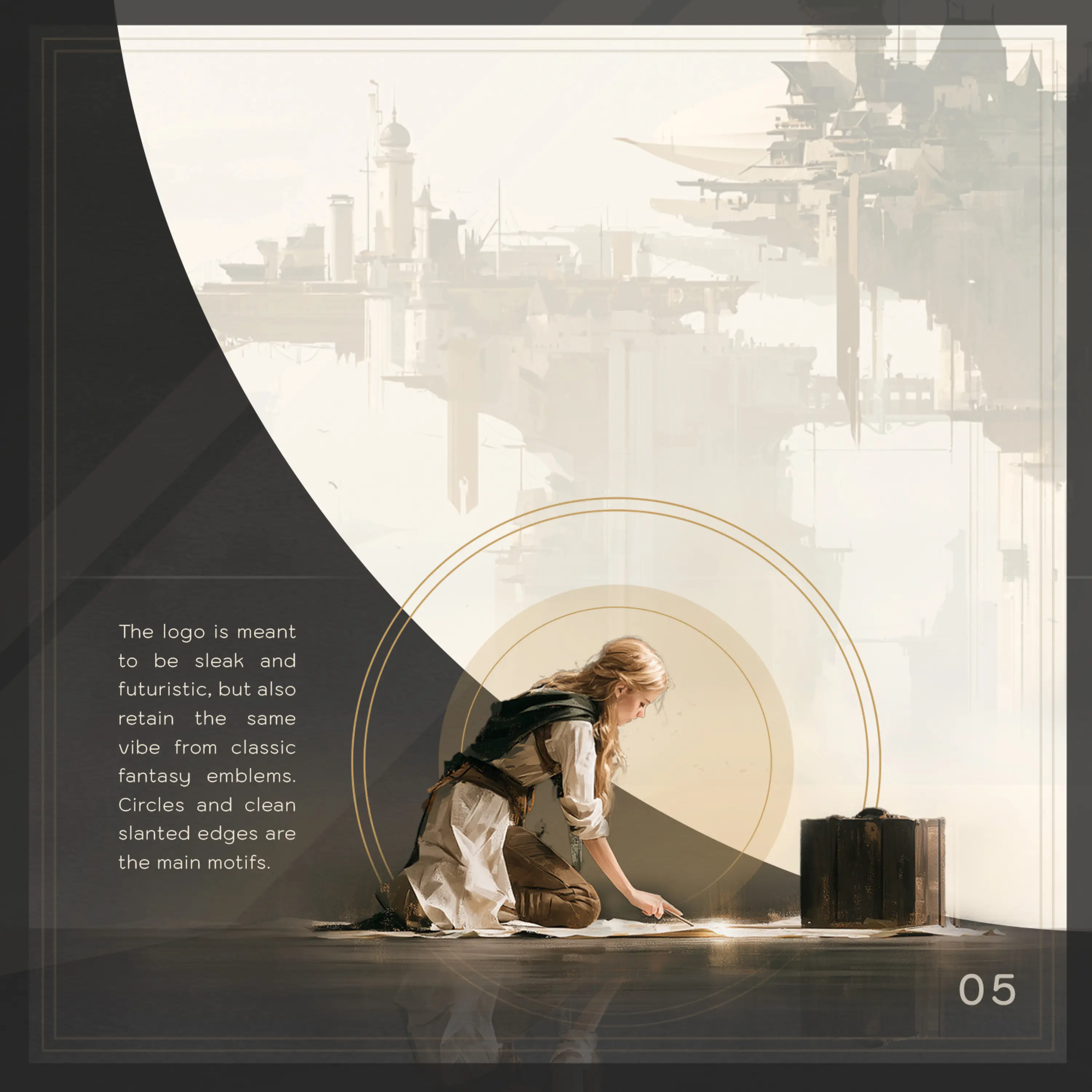
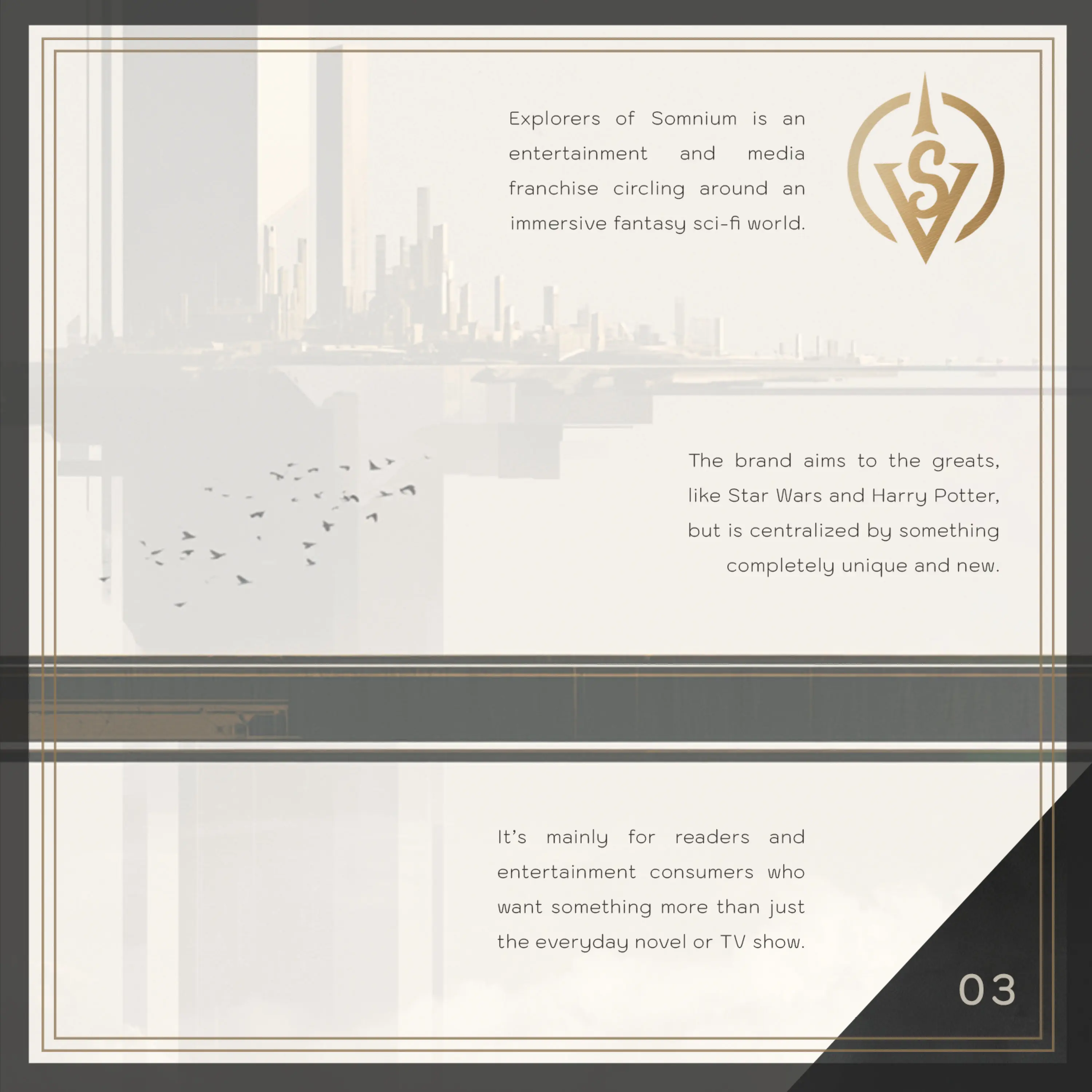
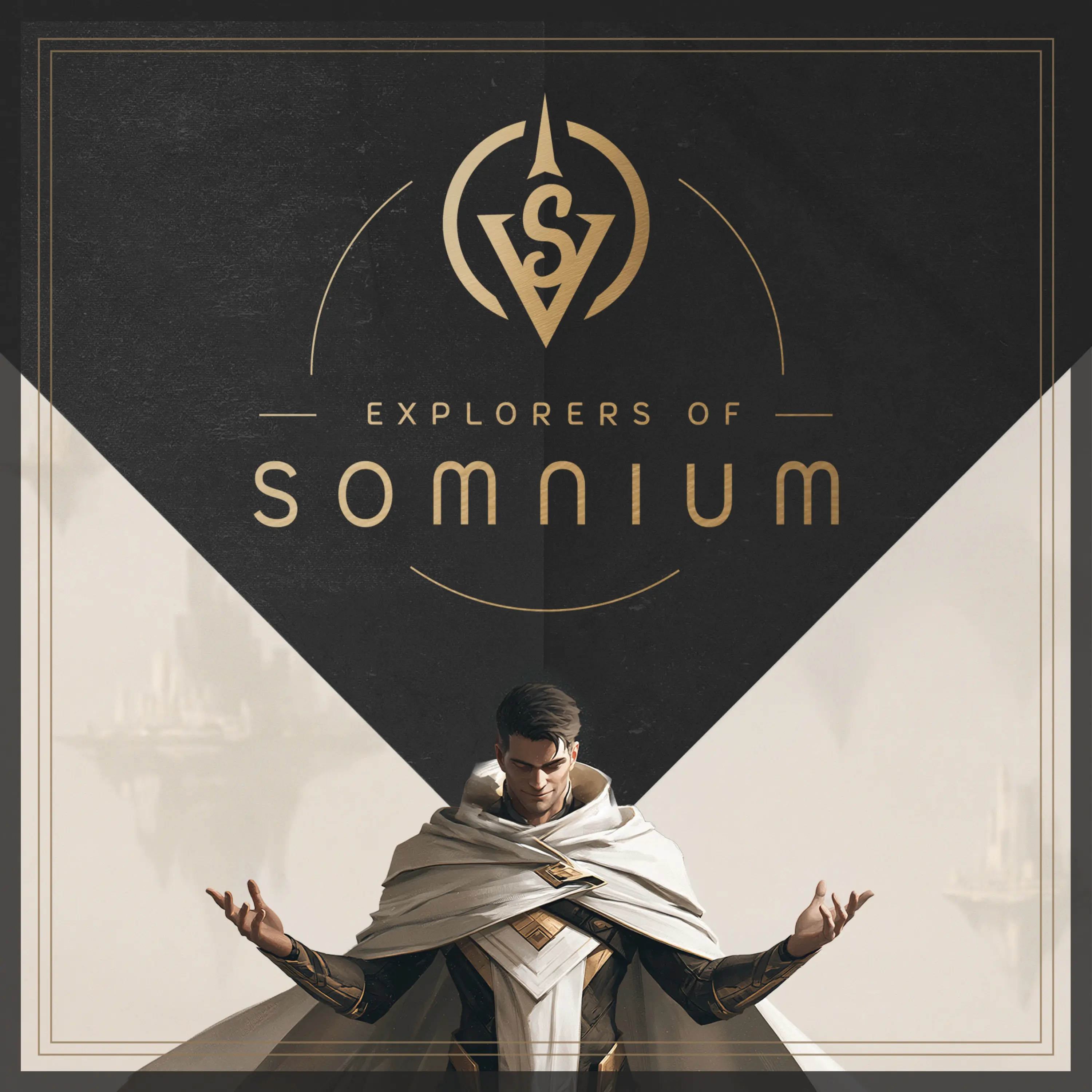
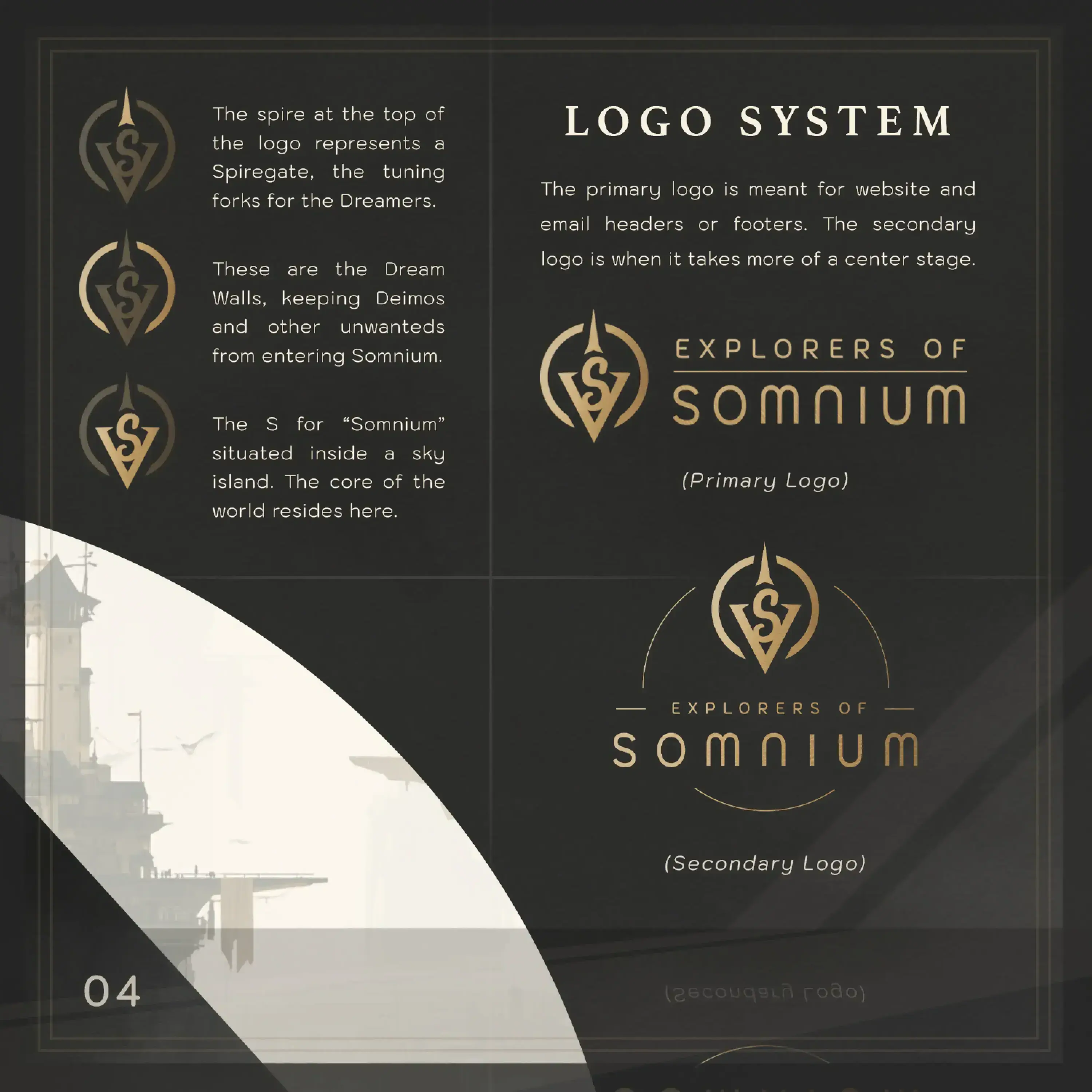
After that, I slowly refined the brand position, logo, colors, and typography, then threw them all together into a cohesive Somnium Brandbook. You can look at some of the pages below.
I expect Explorers of Somnium to be the flagship of all the good works I've done. Someday in the future I want to position myself as an author who had to learn all the design and marketing myself, and how I can give the same thing to other creatives. But in order to get there, I need to have my own series to look good, so that's part of what the project was about.
The first thing I did was endless sketching and moodboarding with Midjourney. That's the first step of a lot of my projects, but this time, I really went hardcore. I probably had more than fifty logo sketches and brand images before I started, because I needed to make sure I nailed the right vibe before I began producing. In Somnium, aesthetics are everything.
After that, I slowly refined the brand position, logo, colors, and typography, then threw them all together into a cohesive Somnium Brandbook. You can look at some of the pages below.



Tap brandbook to open

Brandbook pages


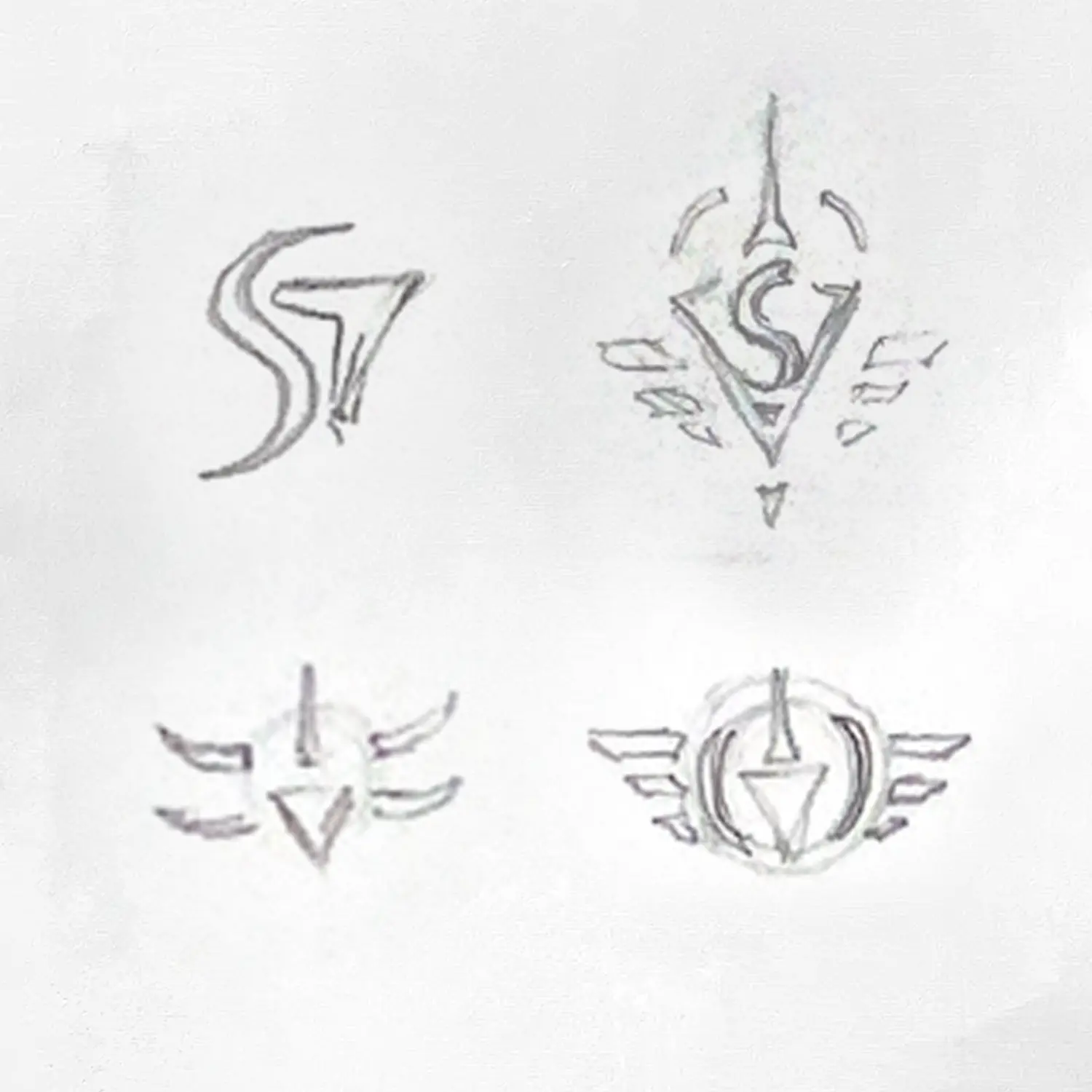

Alternate logo concept sketches

Motion idea
PART 2: WEB DESIGN
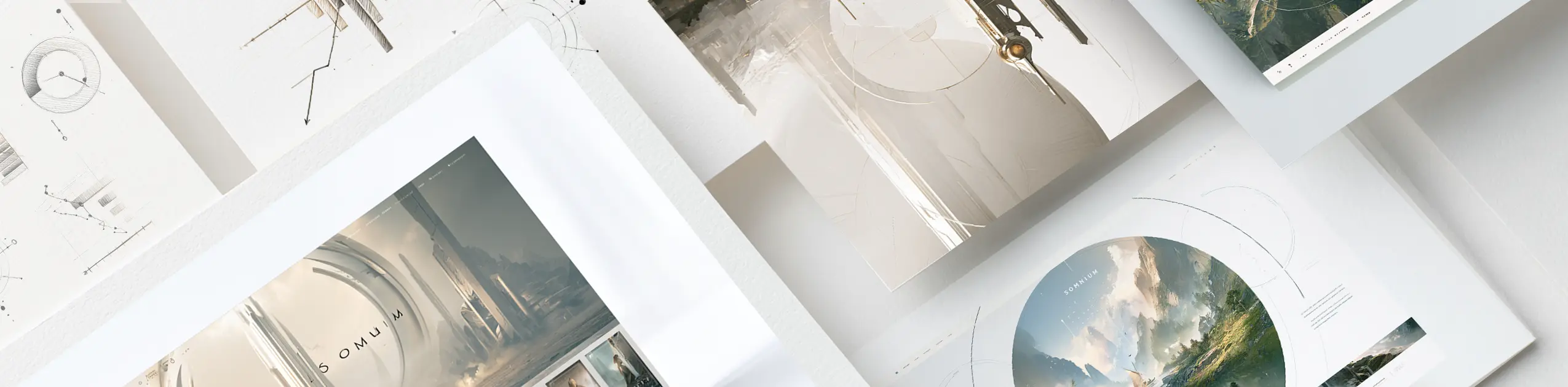
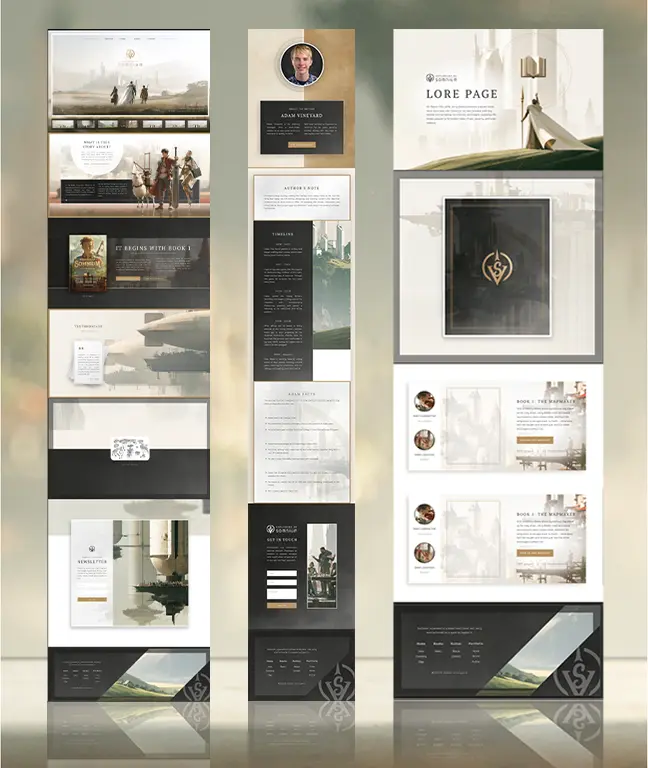
The website was by far the biggest part of the whole project. Now that I had the assets from my Somnium Brandbook, it was full speed ahead into creating the most immersive, beautiful, and intriguing website I'd ever attempted yet.
My goal was to make someone enter the website and say "Wow." If they got awed enough by the visuals, overall vibe, and sheer depth of the content, chances are they would want to keep exploring.
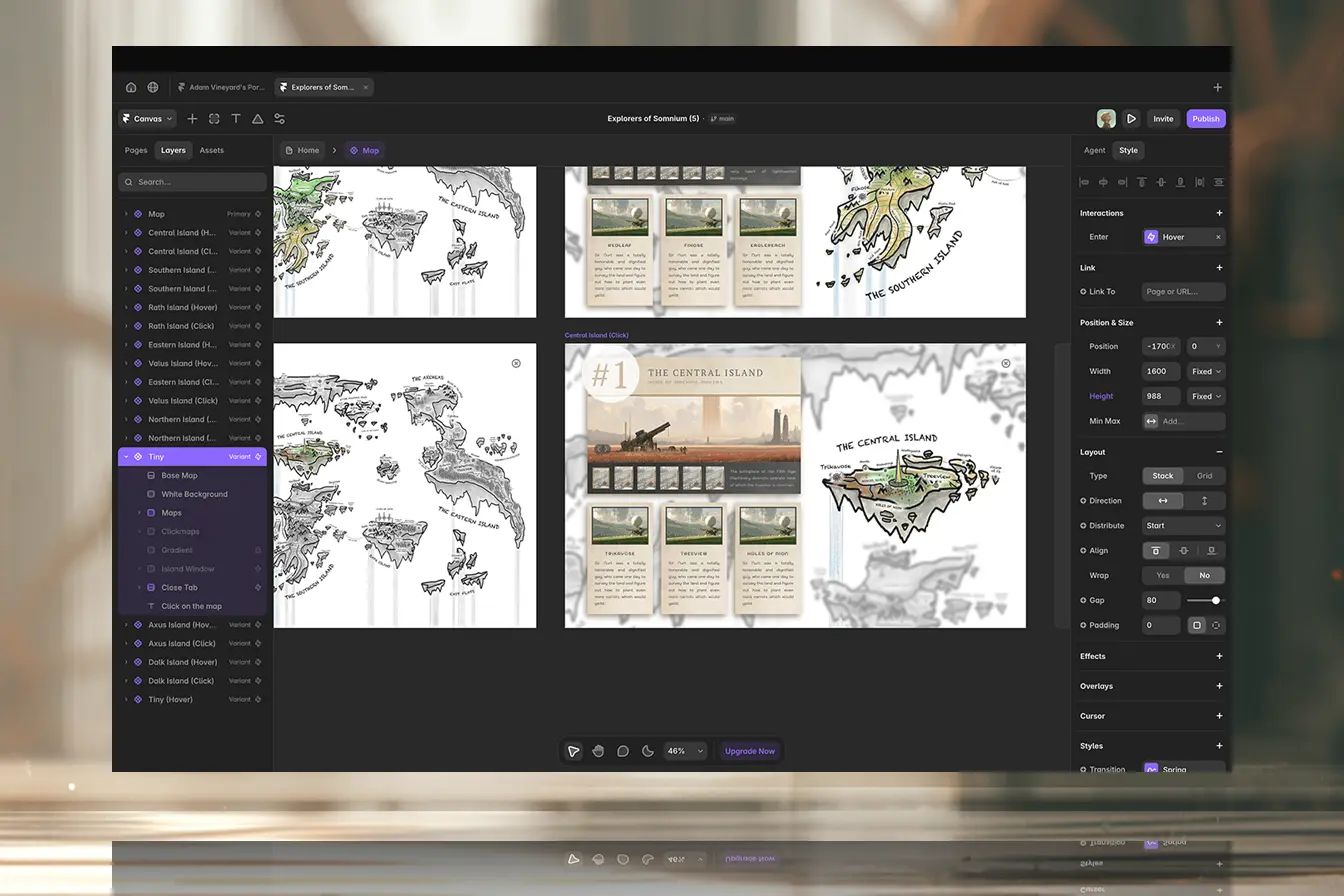
I used Framer to enhance the visuals and storytelling by creating animated components. That includes the paralax effect on the hero, the opening book, and the most maddeningly complex component I've ever made: the Interactive Somnium World Map. Which, unfortunately, can only be viewed on a desktop for now.
The website was by far the biggest part of the whole project. Now that I had the assets from my Somnium Brandbook, it was full speed ahead into creating the most immersive, beautiful, and intriguing website I'd ever attempted yet.
My goal was to make someone enter the website and say "Wow." If they got awed enough by the visuals, overall vibe, and sheer depth of the content, chances are they would want to keep exploring.
I used Framer to enhance the visuals and storytelling by creating animated components. That includes the paralax effect on the hero, the opening book, and the most maddeningly complex component I've ever made: the Interactive Somnium World Map. Which, unfortunately, can only be viewed on a desktop for now.

PART 3: MARKETING
After I finished a couple weeks on the website, I turned to the marketing side of Somnium. Newsletter designs up until this point had been clunky and sloppily designed, and the social media presence of the brand was absolutely nil. Working with my design instructor Austin Pickett, I came up with some campaign ideas and outlined a marketing strategy that would give the series a place for interested people to discover it.
After I finished a couple weeks on the website, I turned to the marketing side of Somnium. Newsletter designs up until this point had been clunky and sloppily designed, and the social media presence of the brand was absolutely nil. Working with my design instructor Austin Pickett, I came up with some campaign ideas and outlined a marketing strategy that would give the series a place for interested people to discover it.

Ultimately, the goal was to rebrand Explorers of Somnium as a high quality, immersive universe, not just a book series. Yeah, the brand contains the series, but in the future it will include other entertaining media as well.
Plus, I just wanted to make the website and logo "cooler," okay?
Ultimately, the goal was to rebrand Explorers of Somnium as a high quality, immersive universe, not just a book series. Yeah, the brand contains the series, but in the future it will include other entertaining media as well.
Plus, I just wanted to make the website and logo "cooler," okay?


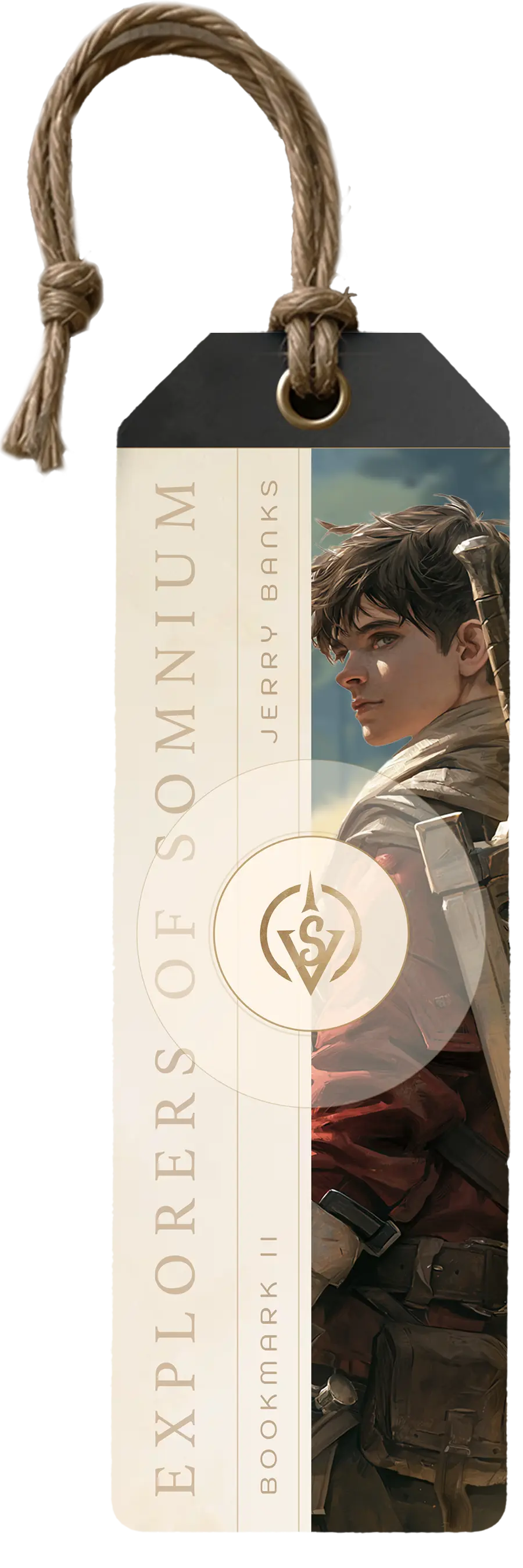


MERCHANDISE
Here's some quick merchandise I did at the end of the rebrand. The potential for Somnium goodies is limitless, and if I had more time I'd make more. They've already turned out quite valuable in my Somnium Kickstarter project.
What you see here is only a small fraction of collectible items I could create; the bookmark series alone could contain around 40 different items.
Here's some quick merchandise I did at the end of the rebrand. The potential for Somnium goodies is limitless, and if I had more time I'd make more. They've already turned out quite valuable in my Somnium Kickstarter project.
What you see here is only a small fraction of collectible items I could create; the bookmark series alone could contain around 40 different items.
Thriving on the extraordinary.
Adam Vineyard is a multi-media creator on an epic quest to bring his vision of quality to life.